

by Design Concepts Global
Share
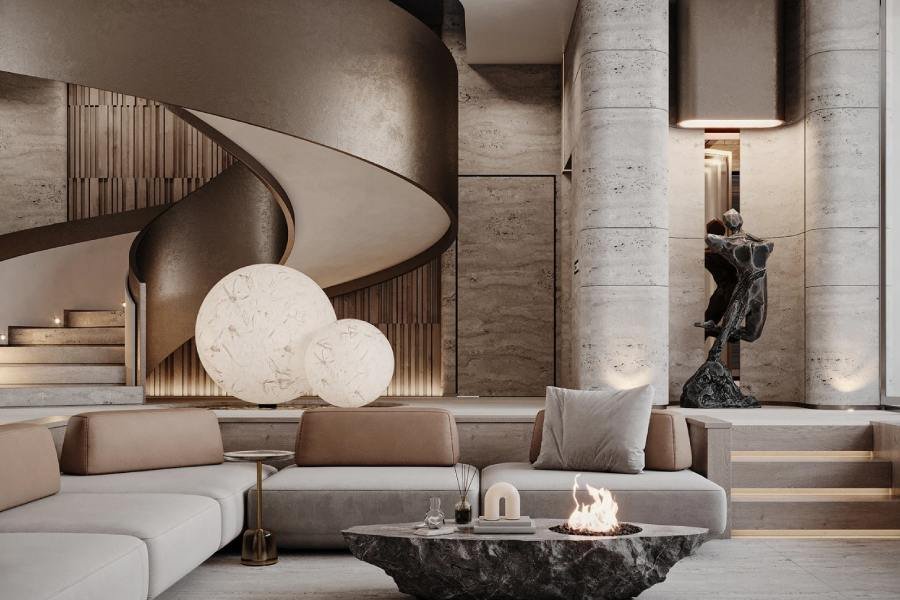
Choosing stone for an interior design project in Dubai is not only about color, pattern, or luxury appeal. The finish plays a major role in how the material performs over time, especially in a climate shaped by bright light, dust, humidity, wet zones, and daily wear. A showroom-perfect surface can quickly reveal fingerprints, water spots, scratches, and traffic marks in real interiors, making the choice between polished, honed, leathered, and flamed stone as practical as it is aesthetic. In this guide, we compare how each finish performs and where it works best, from lobbies and restaurants to bathrooms, kitchens, and outdoor spaces.
Why Dubai Changes the Stone-Finish Conversation
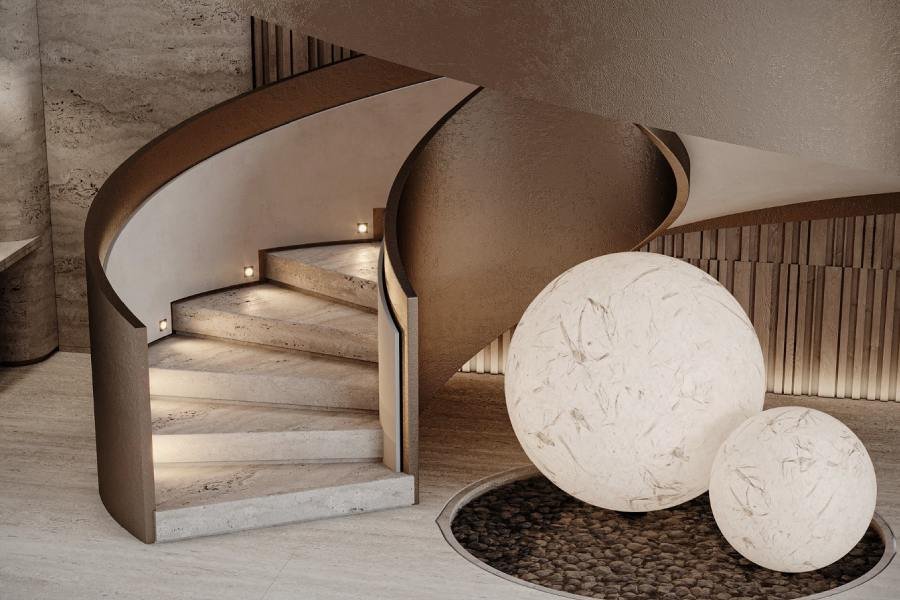
Stone finishes are often described in simple design terms: glossy or matte, smooth or textured, dramatic or understated, but in Dubai, those choices matter more because the environment places unique demands on surfaces from day one. Bright natural light can make reflective finishes look striking, but it also makes fingerprints, smudges, watermarks, and fine scratches more visible. Airborne dust settles quickly and shows faster on dark polished surfaces, while lower-sheen or textured finishes hide buildup better.
Humidity and wet use also matter, especially in bathrooms, spa-like spaces, poolside areas, and commercial washrooms, where slip resistance, water spotting, and cleaning become more important.
Lifestyle is equally important. Dubai interiors are designed to feel elegant and high-impact, but they also need to handle family use, heavy traffic, frequent cleaning, and daily contact in homes, restaurants, and hotels. That is why stone selection in Dubai is not only about the material itself. The finish determines whether the surface stays refined over time or starts showing wear too quickly, making the smartest choice the one that balances luxury with resilience. For more ideas on commercial spaces, see Top Trends in Dubai Interior Design for Commercial Spaces.
Polished vs Honed vs Leathered vs Flamed: What Actually Happens Over Time
Polished Stone
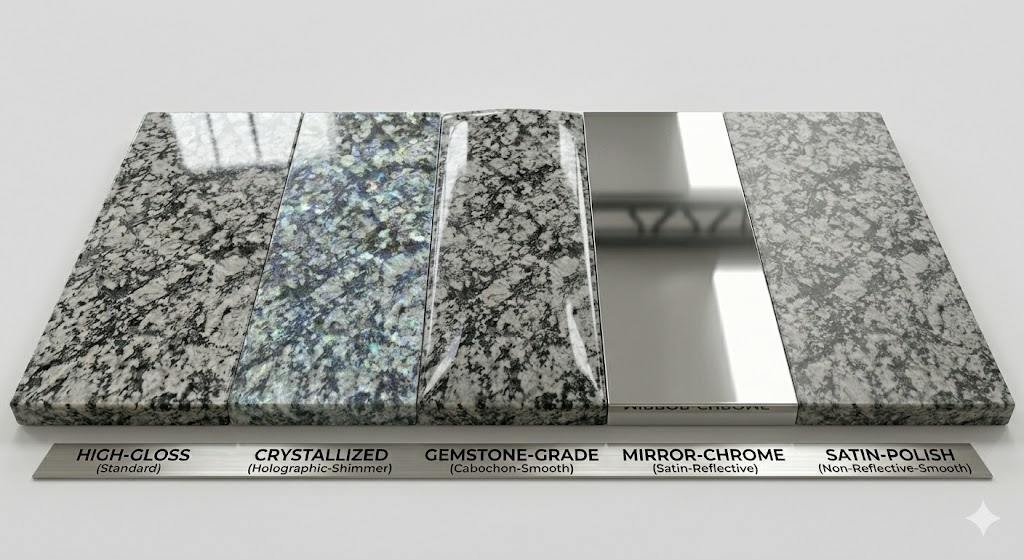
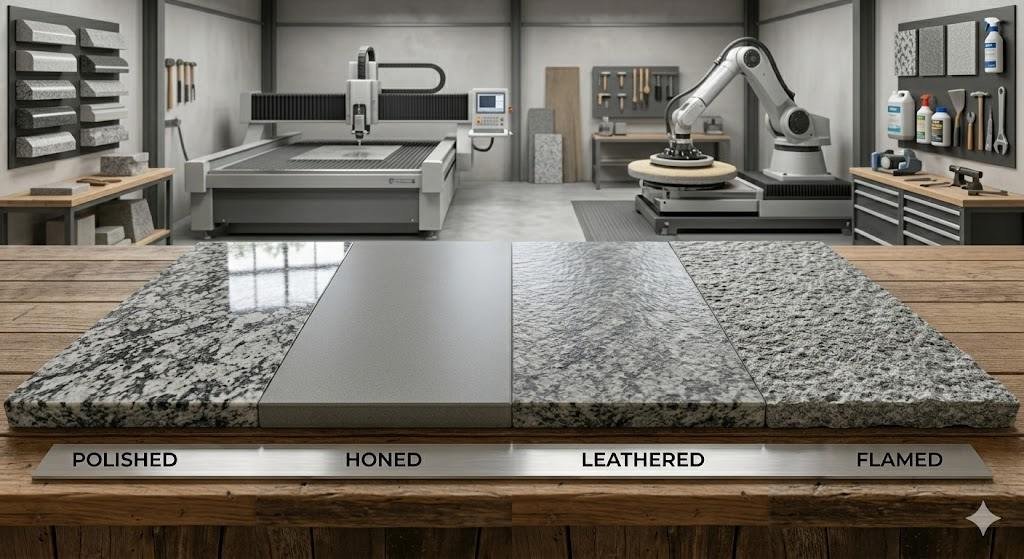
Polished stone is often chosen for its rich color, mirror-like surface, and unmistakable sense of luxury. It reflects light beautifully and gives natural stone a more dramatic, finished appearance, which is why it remains popular in formal interiors, statement bathrooms, reception areas, and feature applications.
Over time, however, polished surfaces tend to be less forgiving. Their reflectivity can make fingerprints, smudges, watermarks, and fine scratches more noticeable, especially in bright interiors with strong daylight. In spaces that are touched often or cleaned frequently, that shine can quickly become a surface that reveals everyday use. Polished stone is also less suitable for wet flooring applications where slip resistance matters.
This finish works best when visual impact is the priority, and the surface is not expected to hide wear.
Honed Stone
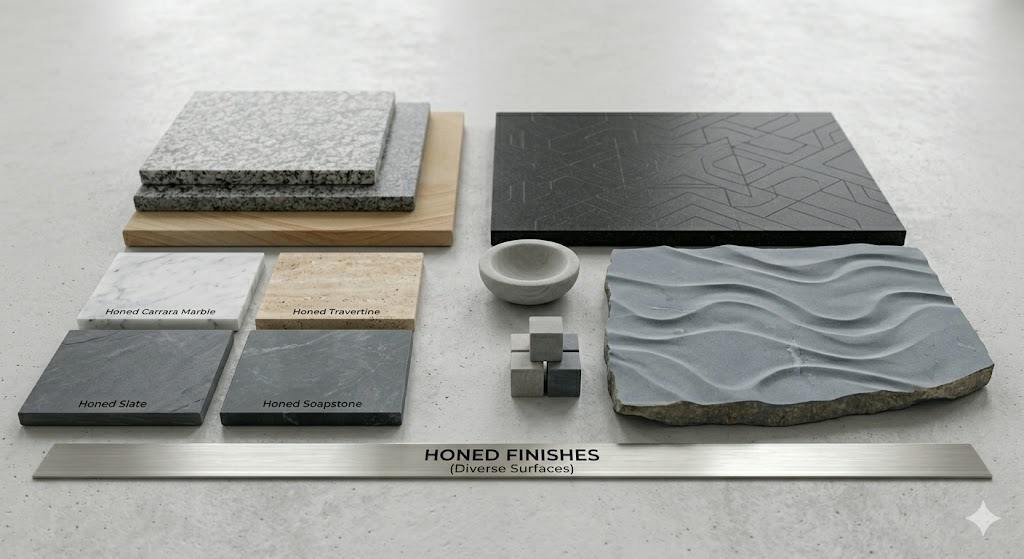
Honed stone has a matte or soft-satin appearance that feels more understated and contemporary than polished stone. Because it diffuses light rather than reflecting it sharply, it creates a calmer look and reduces glare, which can be especially valuable in bright interiors.
That softer appearance does not always mean lower maintenance. In practice, honed finishes can show grease, fingerprints, dark marks, and water spots more easily than many people expect, particularly on countertops or darker stones. While they are often preferred for flooring and bathrooms because of their lower sheen and more natural appearance, they may require more careful upkeep in high-touch areas.
Honed finishes work best where subtle elegance and reduced reflectivity matter more than surface camouflage.
Leathered Stone
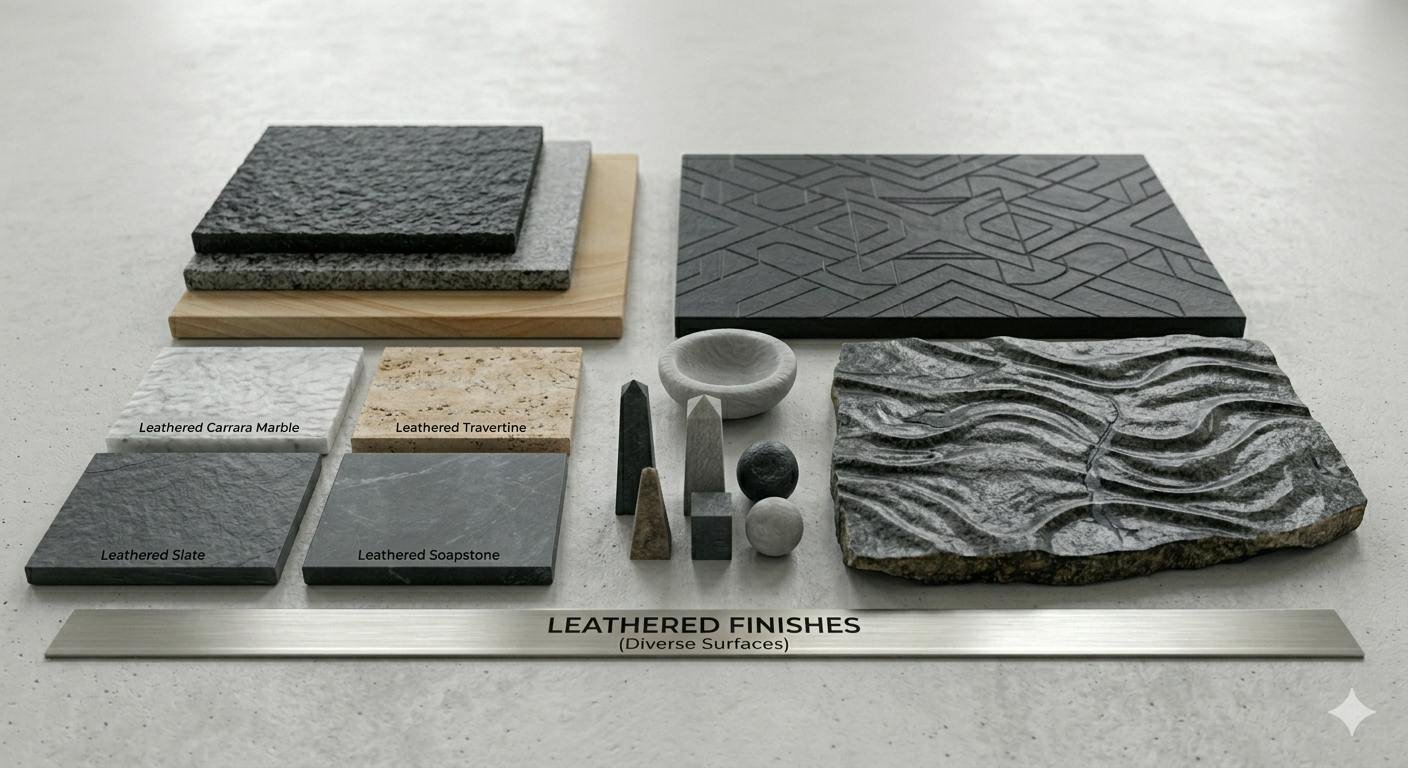
Leathered stone has become one of the most practical luxury finishes for modern interiors. It offers a textured surface with depth and character, but without the roughness of heavily processed stone. The result feels warm, tactile, and more relaxed than polished stone, while still looking refined.
One of its biggest advantages is how well it hides everyday evidence of use. Fingerprints, smudges, water spots, and minor wear are generally less noticeable on leathered finishes, which makes them especially suitable for kitchens, vanity tops, restaurant counters, and high-use residential spaces. In a climate like Dubai’s, where dust and daily handling quickly affect appearance, this finish tends to remain visually balanced for longer.
Its only tradeoff is that the texture may require slightly more detailed cleaning than a fully smooth surface. Even so, leathered stone is often the finish that offers the best balance between performance and design.
Flamed Stone
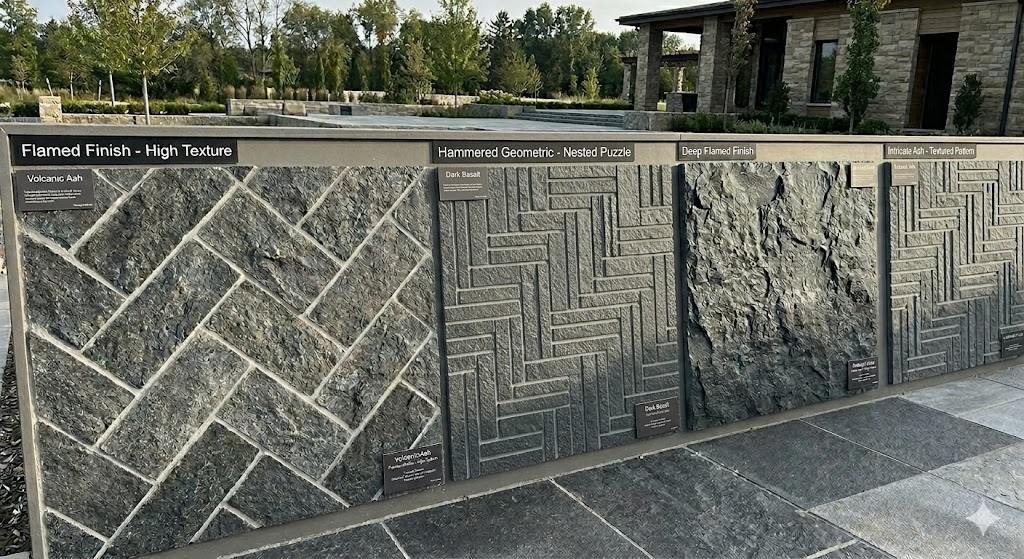
Flamed stone is created with intense heat, which gives the surface a rougher, more textured finish. It is valued less for decorative polish and more for durability, grip, and practical outdoor performance. This makes it especially useful in areas where slip resistance is important.
In terms of long-term appearance, flamed stone hides some signs of wear well, but its texture can also collect dust and dirt more easily than smoother finishes. It is generally better suited to patios, walkways, outdoor steps, poolside zones, and exterior hospitality areas than to refined interior surfaces.
Flamed finishes work best when safety, traction, and durability matter more than sleek visual refinement.
To understand the technical differences in more detail, see Selecting the Ideal Stone Finish.
What Shows First? Stains, Scratches, Fingerprints, Dust, and Water Spots
When choosing a stone finish for interior design in Dubai, one of the most important questions is not just how the surface looks when it is installed, but what it will start showing first once daily life begins. In bright, high-use interiors, some finishes reveal wear almost immediately, while others are far more forgiving.
Polished Stone
- Shows fingerprints quickly, especially on darker surfaces
- Makes smudges and water marks more visible because of its reflective finish
- Tends to reveal fine scratches more easily under direct light
- Can also make dust more noticeable, especially in sunlit interiors
- Best when visual impact matters more than surface camouflage
Honed Stone
- Can show grease marks and fingerprints more than many people expect
- Often reveals water spots and darker patches in high-touch areas
- Usually hides fine scratches better than polished stone because of its lower sheen
- May still show dust and surface buildup, particularly on darker colors
- Better suited to spaces where a softer, low-glare look is worth the extra care
Leathered Stone
- Hides fingerprints better than polished or honed finishes
- Makes water spots and smudges less obvious in everyday use
- Helps disguise minor scratches and light wear
- Often handles dust visibility better because of its texture and reduced reflectivity
- One of the most forgiving finishes for busy homes and hospitality settings
Flamed Stone
- Usually hides surface scratches well because of its rough texture
- Can collect dust and dirt more easily in the textured surface
- Less likely to show fingerprints in the same way as smoother finishes
- Not usually affected by visual smudging in the same way as polished stone
- More practical for outdoor or slip-sensitive areas than for refined interior surfaces
Where Each Finish Works Best in Dubai Interiors and Hospitality
Choosing the right stone finish is about more than appearance. In Dubai interior design, each space demands a different balance of luxury, durability, slip resistance, and maintenance.
Lobbies
- Polished: best for reception desks, feature walls, and statement surfaces
- Honed: good for softer, understated lobby flooring
- Leathered: ideal for high-touch areas that need to hide wear
- Lower-glare finishes: often age better in bright spaces
Restaurants
- Leathered: great for tables, bars, and host stations because it hides marks well
- Polished: suits formal dining and decorative feature areas
- Honed: works in some interiors but needs more upkeep in high-contact zones
- Flamed: best for outdoor terraces where traction matters
For hospitality applications, explore our Restaurant Interior Design services.
Bathrooms
- Honed: a smart choice for flooring in wet areas
- Polished: works well on vanity tops, walls, and accents
- Leathered: ideal for vanity counters that need warmth and practicality
- Textured finishes: better near wet zones for safety
Kitchens
- Leathered: one of the best options for islands and worktops because it hides daily wear
- Polished: better for show kitchens and statement spaces
- Honed: attractive and low-glare, but less forgiving for busy family use
- The best finish depends on both design style and daily use
Outdoor Areas
- Flamed: best for patios, poolside areas, walkways, and steps
- Brushed/textured finishes also work well outdoors, depending on the stone
- Polished: usually not suitable for outdoor flooring in Dubai
- Always choose outdoor finishes with safety, climate, and maintenance in mind
New Stone Finish Trends in Dubai Interior Design
In Dubai interior design, the shift is moving toward stones that feel warmer, softer, and more tactile rather than overly glossy or cold. Right now, the strongest trend is not just about finish type, but about which stones are being specified most often with honed, brushed, leathered, and other low-glare finishes.
Travertine
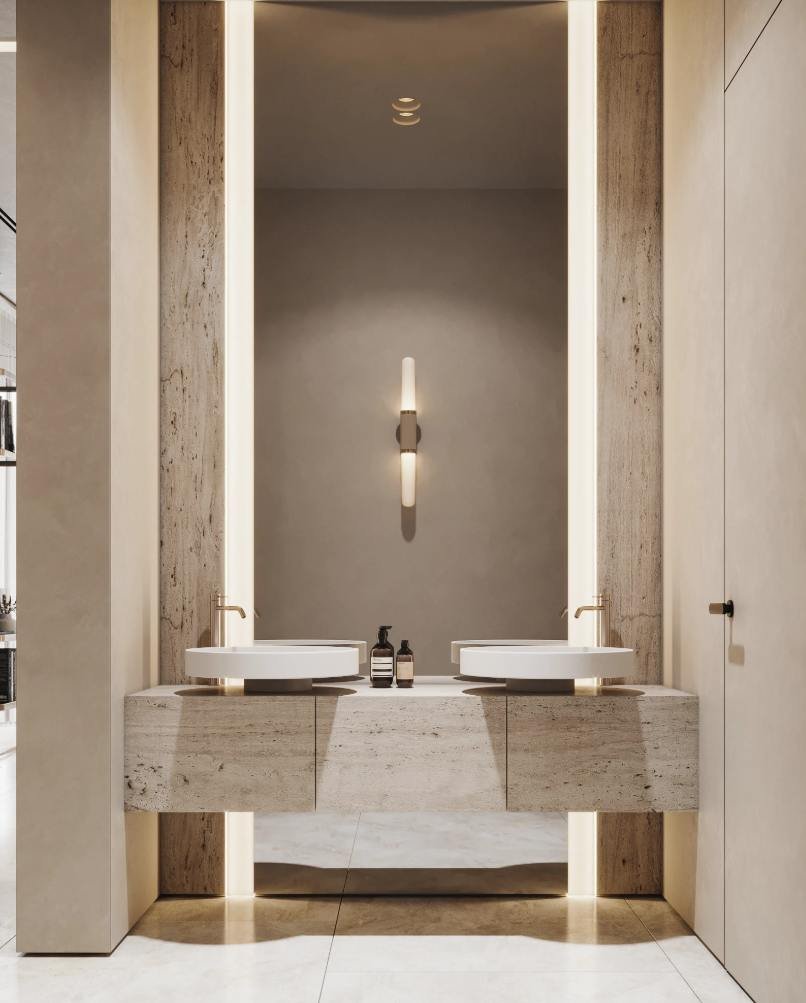
- Travertine is one of the clearest stone trends right now, both globally and in Dubai-facing interiors content. It is being favored for its warm tone, natural movement, and relaxed luxury feel.
- In interior design, travertine works especially well in floors, feature walls, vanities, bathrooms, and sculptural furniture-style applications.
- The finishes most aligned with the trend are honed, filled, brushed, and vein-cut looks, rather than high polish.
- Read more about the material trend here: Interior Design Natural Travertine Stone
Limestone
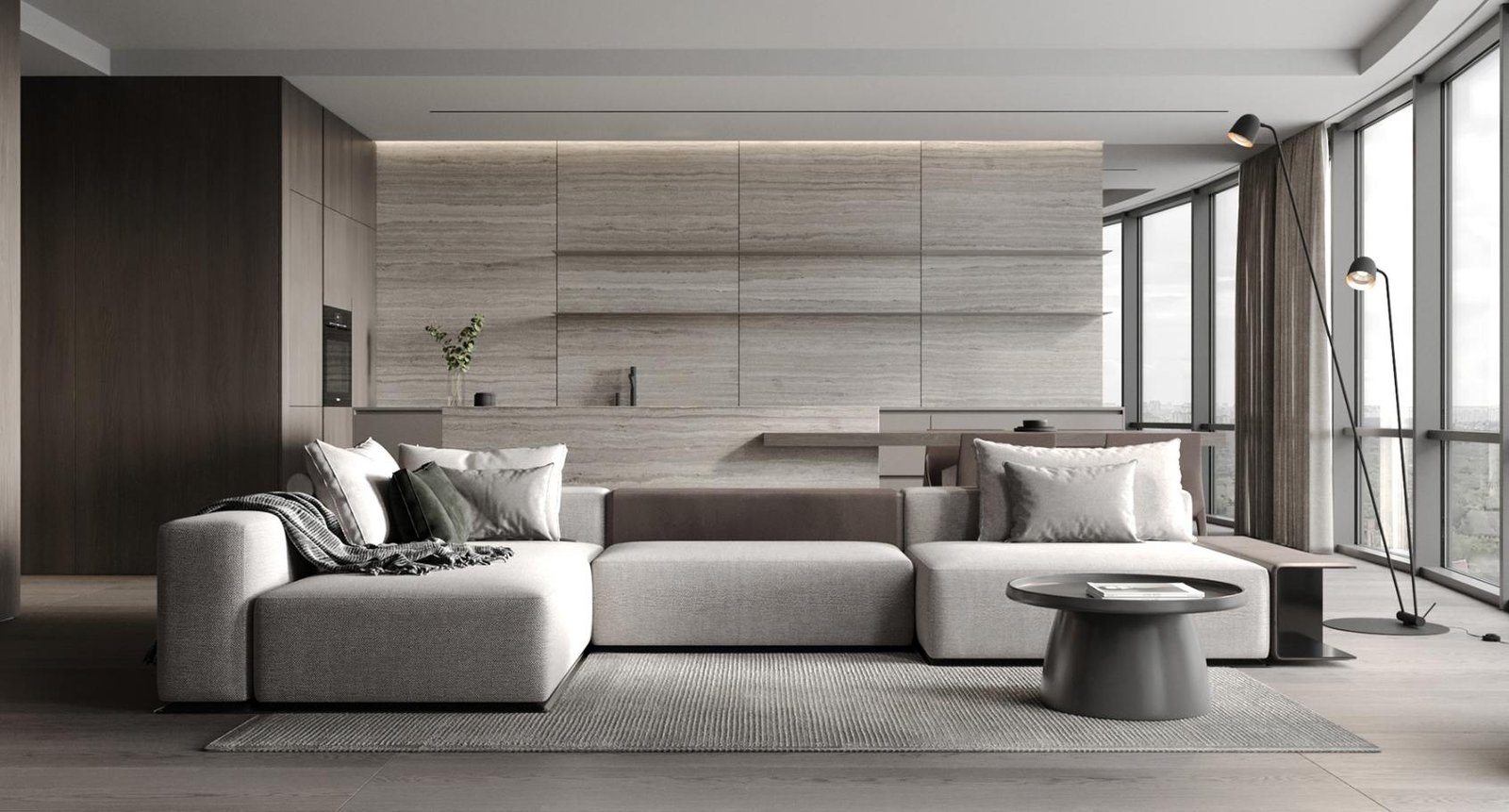
- Limestone-inspired interiors are also gaining momentum because they suit the softer, quieter luxury direction that is shaping 2026 spaces. Porcelanosa’s 2026 trend coverage specifically highlights limestone- and travertine-inspired surfaces as leading choices for warmer, more organic bathrooms.
- In Dubai interiors, brushed limestone is showing up as part of the move toward organic materials and tactile surfaces rather than mirror-finish stone.
- Limestone works particularly well where the design brief calls for calm, understated elegance rather than dramatic veining.
Soft-Toned Marble
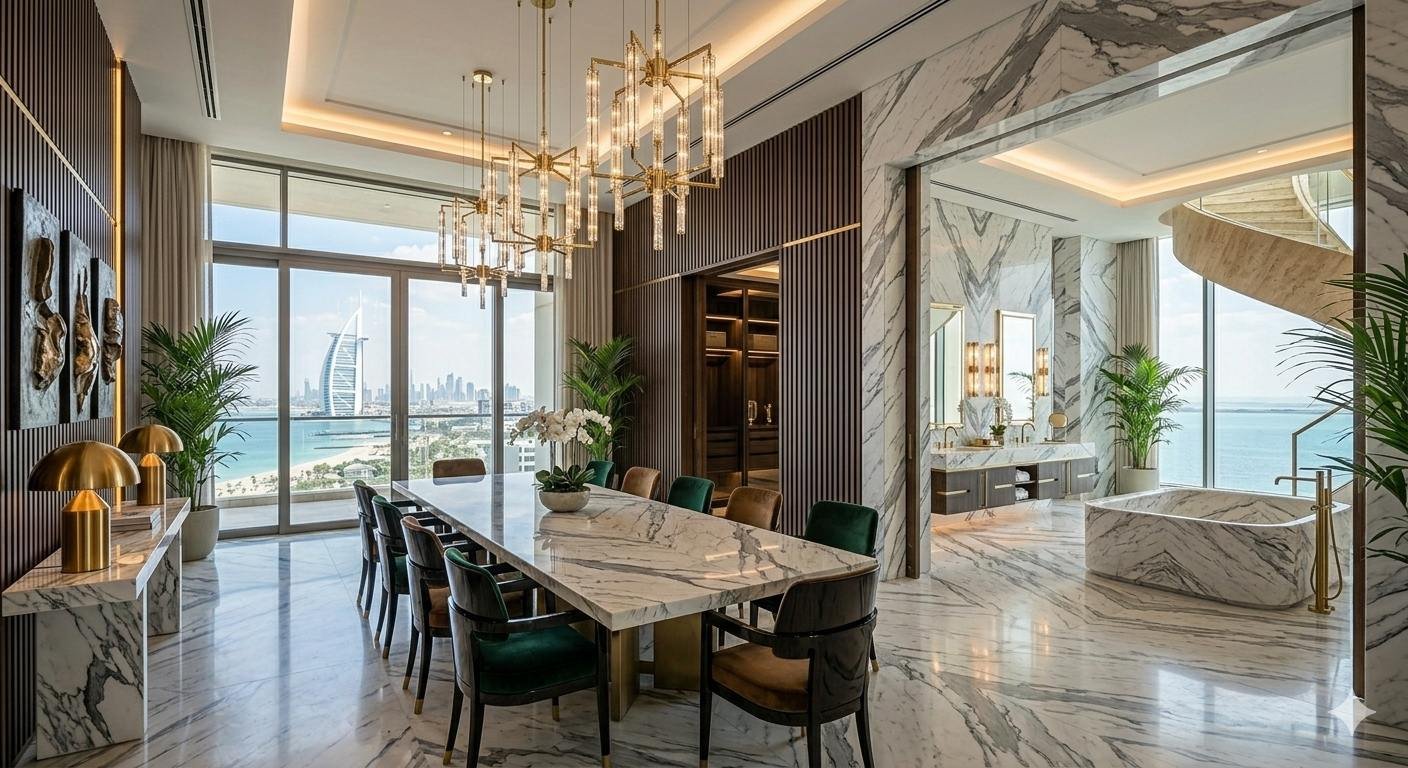
- Marble is still highly relevant, but the trend is shifting toward softer-toned marbles rather than only icy white, ultra-polished looks. Dubai-focused trend coverage points to stones such as Statuario, Crema Marfil, and other warm or soft white marbles as current favorites.
- These marbles are being used in lobbies, vanity areas, statement walls, reception counters, and slab backsplashes, especially where the goal is timeless luxury.
- The finish direction is increasingly honed or softly polished, especially in interiors that want a more modern and less formal look.
- Pairs well with timeless luxury concepts like those explored in The Return of Classic Architecture and Dark Wood Tones
Quartzite
- Quartzite remains one of the most in-demand stones for high-end kitchens and bathrooms because it combines a natural-stone look with stronger everyday
performance than many marbles. Industry trend coverage for 2026 shows quartzite staying near the top of countertop demand. - Within that category, Taj Mahal quartzite is one of the most talked-about names because it fits the move toward warm neutrals, creamy palettes, and softer luxury.
- In Dubai interior design, quartzite is especially strong for kitchen islands, countertops, waterfall edges, and upscale bathrooms where clients want both beauty and durability.
Onyx
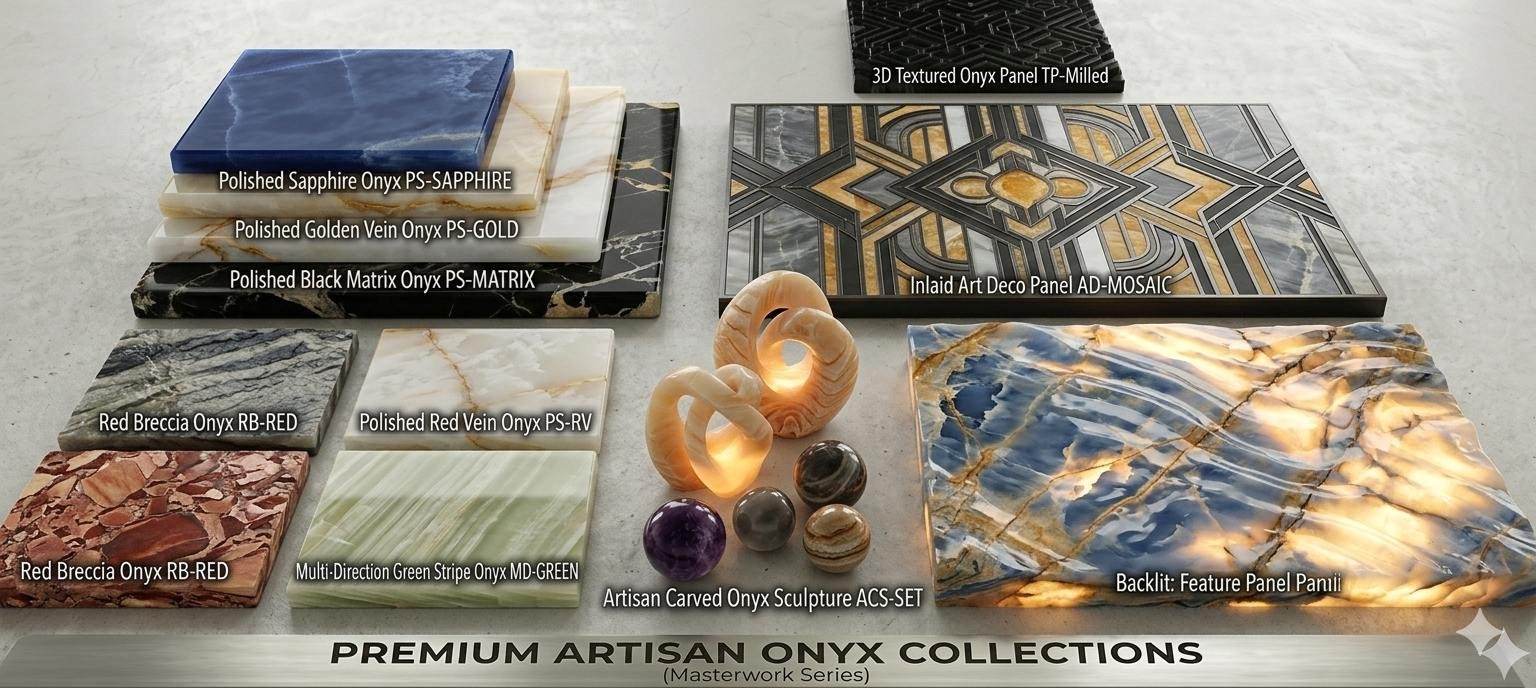
- Onyx is trending less as an all-over surface and more as a feature stone. The big reason is translucency: designers are using it for backlit walls, bars, shelving, vanity features, and statement panels.
- This makes onyx particularly suited to luxury hospitality and high-impact residential interiors in Dubai, where dramatic focal points are often part of the design language.
- It is not the most practical daily-use stone everywhere, but it is a very important part of the current luxury trend conversation.
Dark Marble Accents
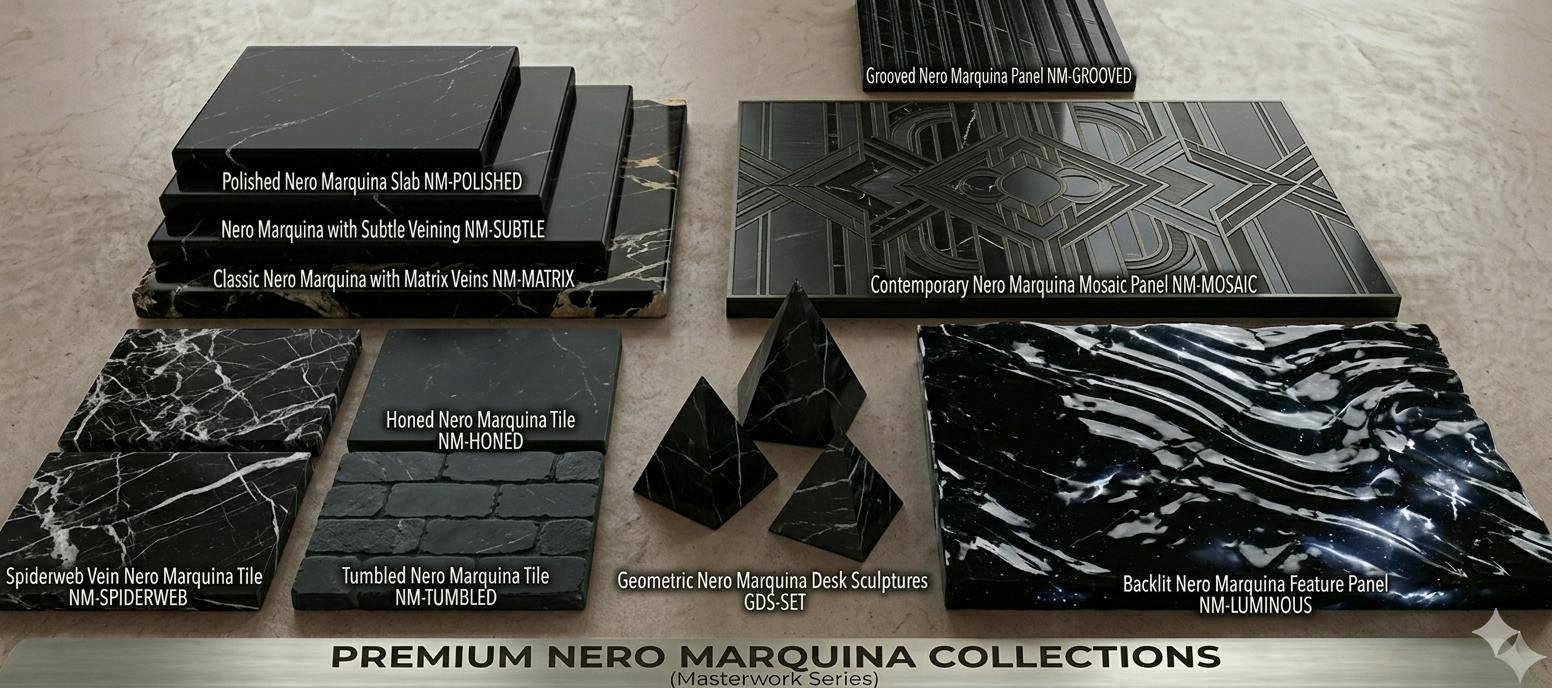
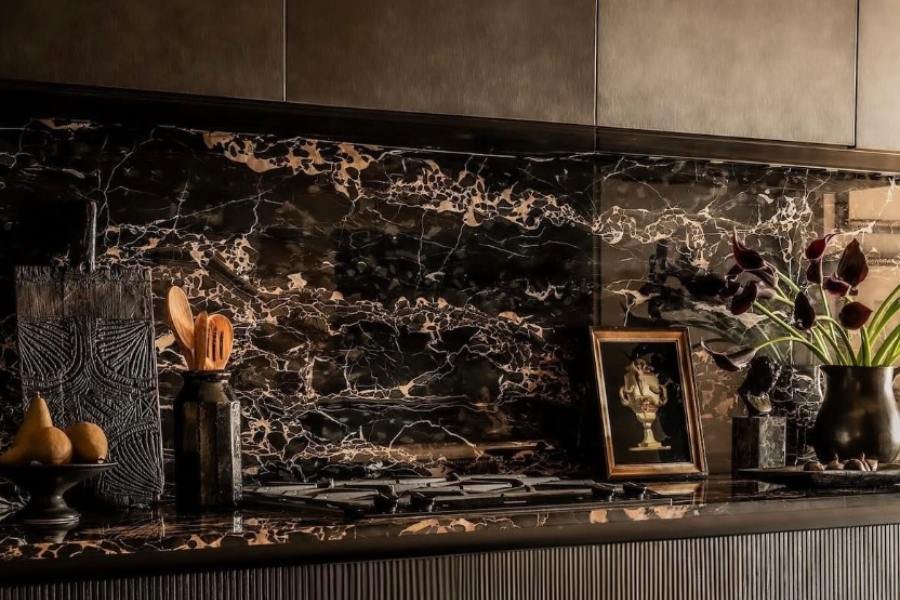
- While warm neutrals are leading, darker stones have not disappeared. Instead, they are being used more selectively as contrast materials. UAE trend coverage specifically points to Nero Marquina and other darker marbles for bold, modern interiors.
- These stones work best as accent walls, powder-room vanities, bar fronts, fireplace surrounds, and statement counters rather than across every surface.
- The finish trend here is often honed, leathered, or softened to avoid an overly harsh or dated glossy effect. This last point is an inference from the broader move toward tactile, lower-glare surfaces in 2026 trend coverage.
How to Choose the Right Stone Finish for Your Space
Choosing the right stone finish comes down to how the space will be used, how much maintenance it can handle, and the look you want to achieve.
- Choose polished stone for a high-gloss, luxurious finish in feature areas such as reception desks, vanity tops, and statement walls.
- Choose honed stone for a softer, low-glare look that works well in bathrooms, flooring, and calm, understated interiors.
- Choose leathered stone for a balance of style and practicality, especially in kitchens, vanity areas, and high-use spaces.
- Choose flamed stone for outdoor areas, steps, patios, and poolside zones where slipresistance and durability matter most.
The best finish is not simply the most beautiful one. It is the one that suits the function of the space and continues to perform well over time.
The right stone finish is not just about appearance but also about how well it handles Dubai’s light, dust, humidity, and daily use. Choosing polished, honed, leathered, or flamed stone based on the function of each space ensures the surface stays both beautiful and practical over time.