

by Design Concepts Global
Share
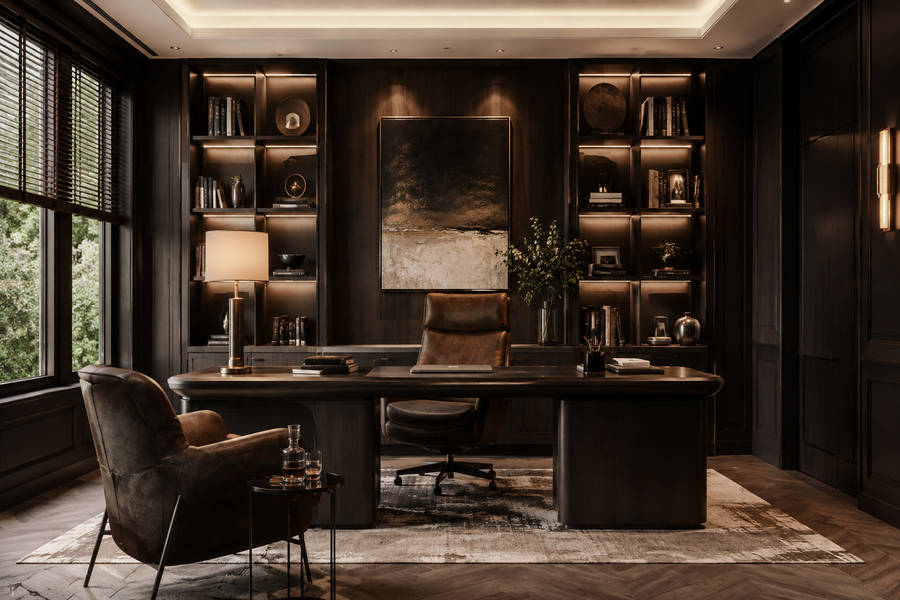
Budget pressure is now part of almost every commercial interior fit out conversation. In Dubai, office occupancy reached about 95% in late 2025, and average rents rose 18% year over year, which means many businesses are looking more closely at how to control fit out costs without lowering the standard of the finished space.
That is where value engineering matters. Done properly, it does not strip the design back. It helps a client spend with more control, protect the parts of the space that create impact, and remove cost where it adds little real value. That thinking is especially important in commercial projects, where operations and maintenance often account for most of a facility’s life-cycle cost.
What Value Engineering Means in Interior Fit Out
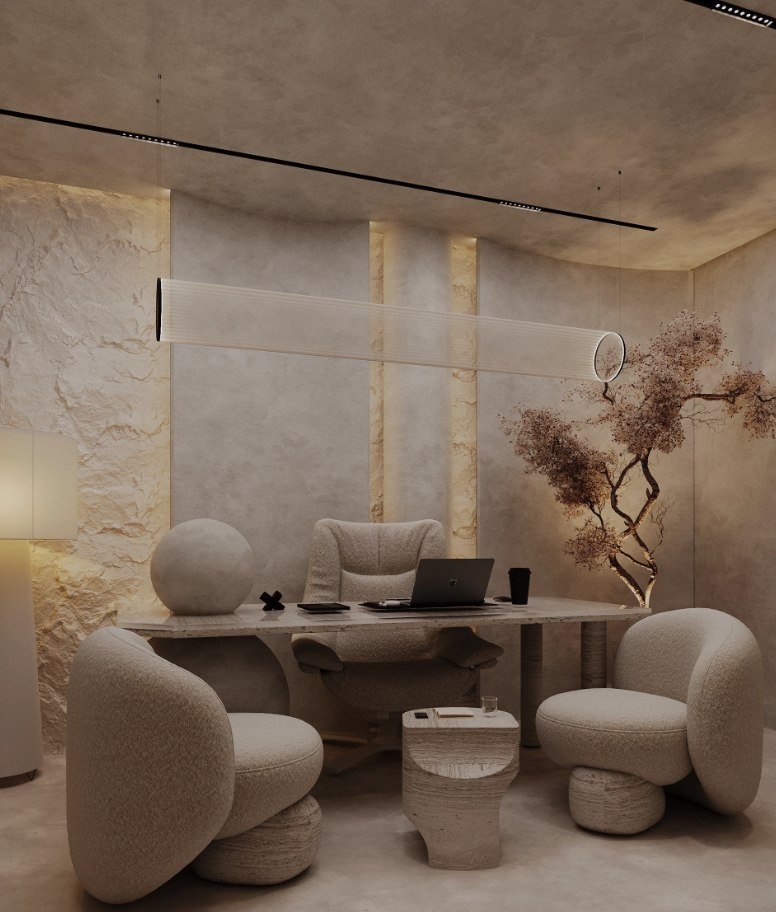
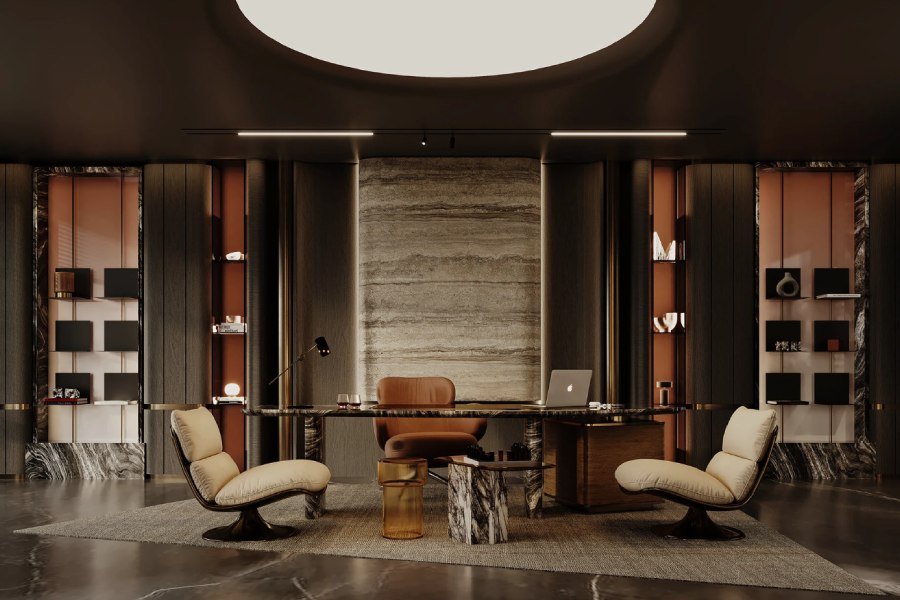
Value engineering in interior fit out is not about choosing the cheapest option in every category. It is about making better decisions on where money creates visible impact, where performance matters most, and where a more efficient specification can achieve the same overall result.
Some elements shape first impressions. Some support daily performance. Some carry the brand. Others sit quietly in the background. When all of them are treated the same, the budget gets spread too widely and the space starts losing clarity.
A better approach is to ask sharper questions early. Which finish will be seen up close? Which detail affects how the space feels? Which material needs to handle daily wear? Which upgrade adds cost without adding visible value?
That is the real purpose of value engineering. It protects the premium feel of the space by putting the budget where it matters most.
Where Quality Matters Most and Where Clients Rarely Notice the Difference
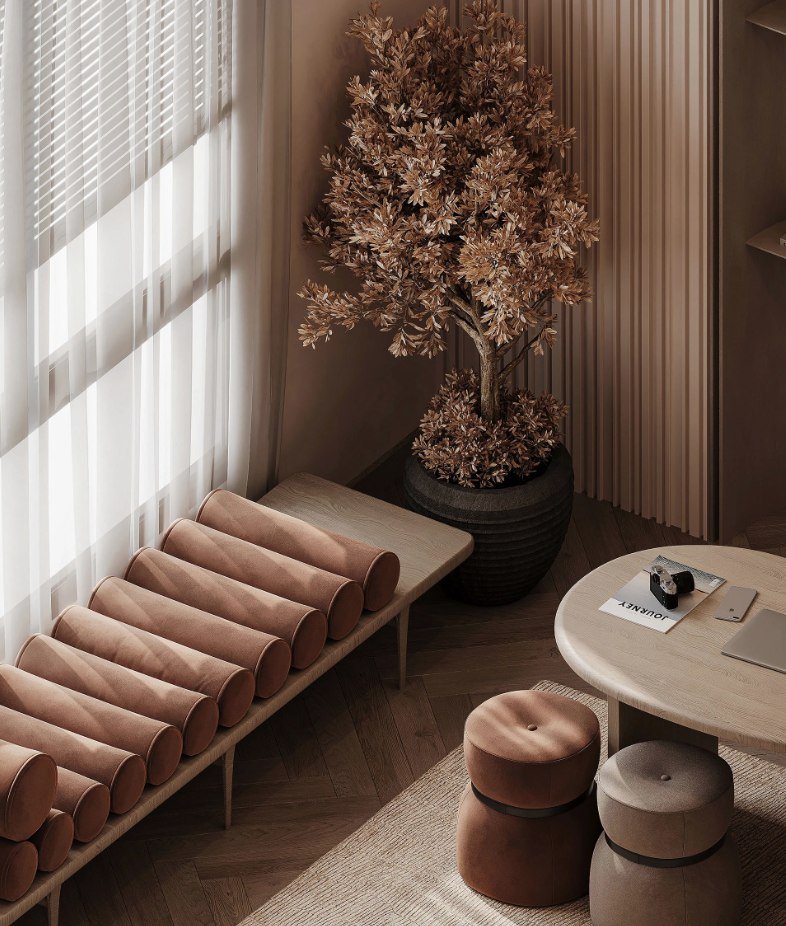
In any interior fit out, not every line item has the same visual weight. Clients and visitors notice the parts of a space that they see first, touch often, and remember clearly. These usually include reception zones, feature walls, lighting, customer-facing joinery, seating comfort, door hardware, and key branded moments.
They are less likely to notice what sits behind the finish or outside the focal zones. That can include backing materials, internal carcasses, repetition of the same premium finish in secondary areas, overdesigned ceilings in support spaces, or whether every partition and furniture item was fully custom-made.
This is where smart cost control happens. Save in the background, not in the foreground.
10 Smart Value Engineering Swaps That Keep an Interior Fit Out Looking Premium
1. Swap Natural Stone Feature Walls for Premium Stone-Look Porcelain
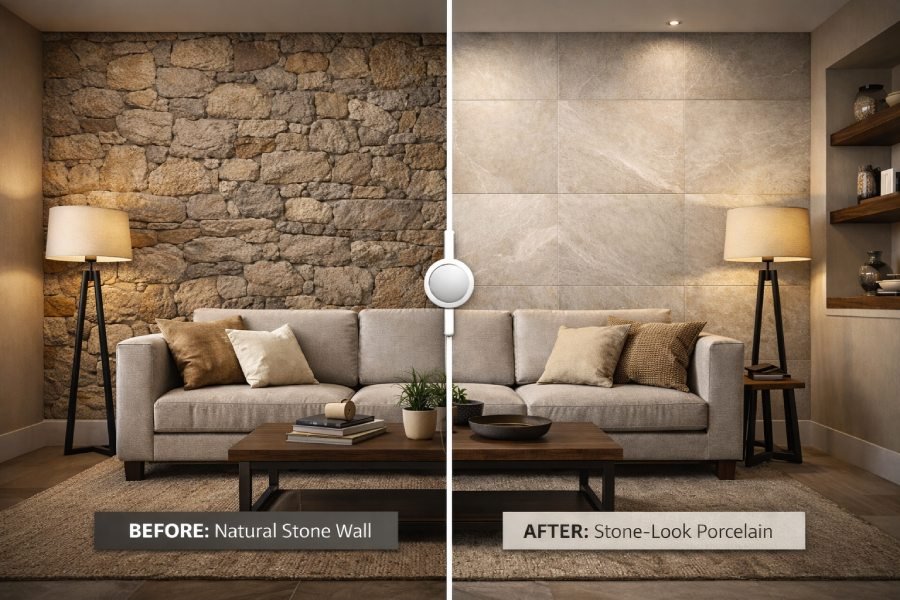
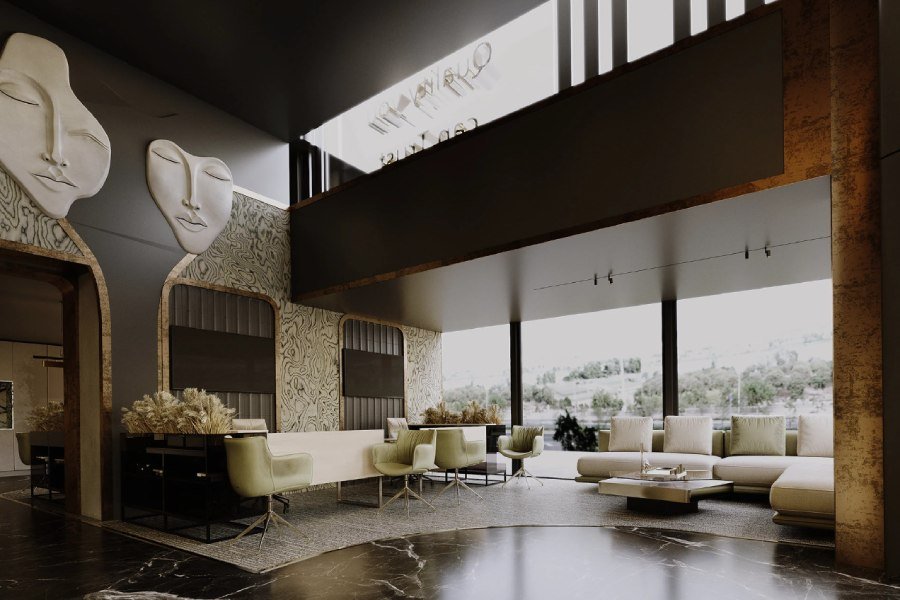
Natural stone does not need to be used on every vertical feature wall to create a premium effect. In many reception backdrops, lift lobbies, retail feature walls, and restaurant statement surfaces, high-quality stone-look porcelain can deliver a similar visual result at a lower cost.
This works because most people read the wall as a whole. They notice scale, tone, slab size, joint alignment, and lighting before they stop to question the material itself. Standards define porcelain tile as having water absorption of 0.5% or less, which is one reason it is widely specified for durability-focused applications.
Where you should be more careful is on surfaces people touch and inspect closely, such as counters, tabletops, bar tops, and vanity tops. In those areas, feel, edge quality, and wear resistance matter more.
2. Swap Full Veneer Joinery for Veneer in Focal Areas and High-Quality Laminate Elsewhere
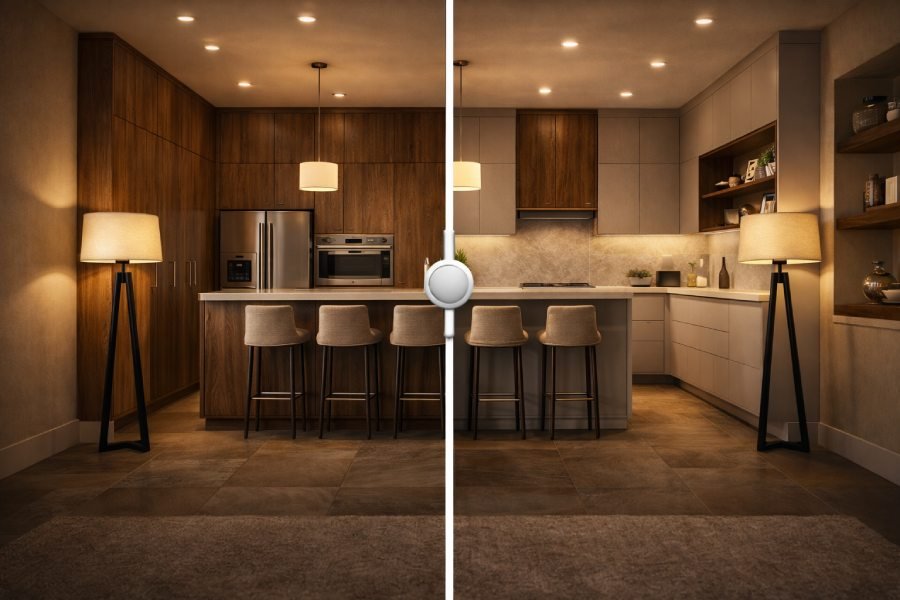
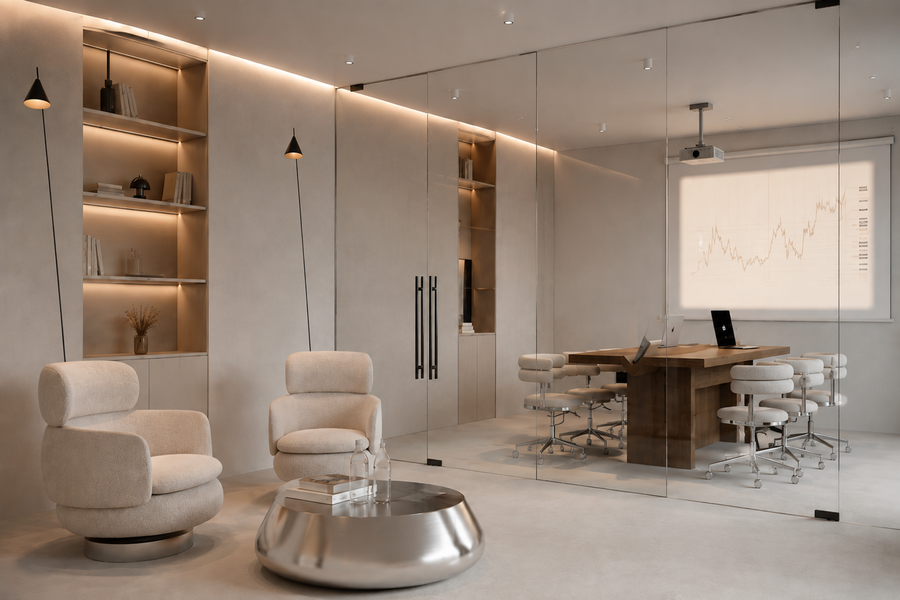
Not every joinery surface needs full veneer to look expensive. A stronger strategy is to keep veneer on the pieces that carry visual weight, such as reception desks, executive storage, or feature units, and use high-quality laminate in secondary joinery.
Clients rarely judge a space by whether every cabinet face uses the same premium material. They judge it by the overall finish language, detailing, and how polished the key pieces look.
What matters more than blanket specification is where the premium finish is placed and how well it is resolved.
3. Swap Complex Curved Designs for Clean Straight-Line Detailing
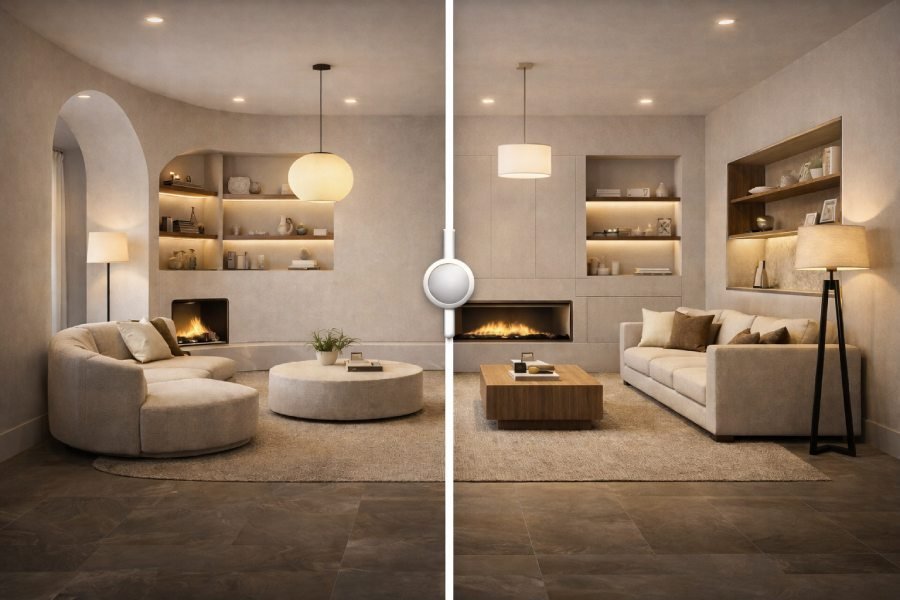
Curves can be beautiful, but they often increase fabrication time, site coordination, and cost. In many projects, clean straight-line detailing creates a stronger and more timeless result with far less build complexity.
People usually respond first to balance, proportion, finish quality, and lighting. A space can still feel custom when the detailing is sharp and the concept is clear.
Reserve complex fabrication for the few moments that genuinely shape the identity of the project.
4. Swap Decorative Ceilings Throughout for One Standout Ceiling Feature
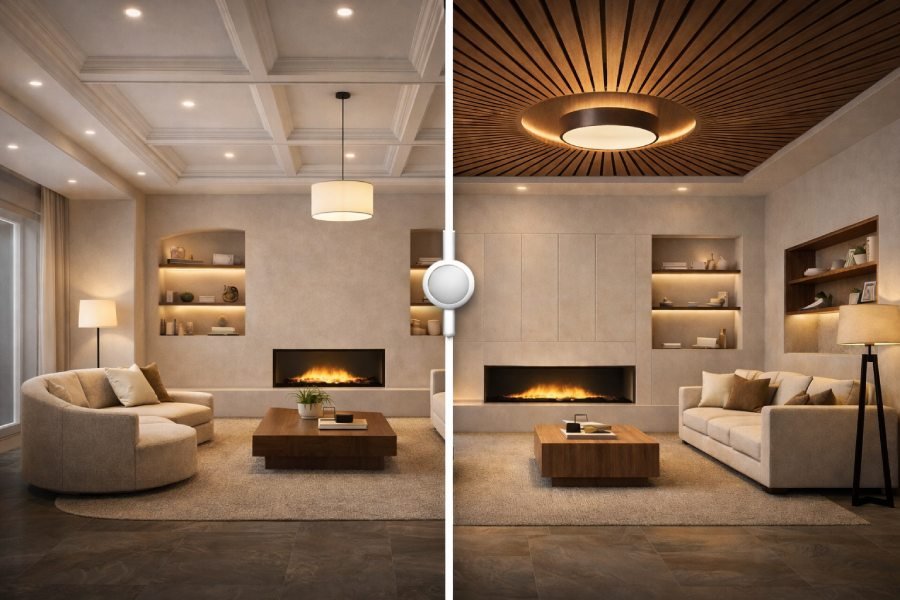
A fully detailed ceiling in every zone can add cost quickly. A better approach is to create one strong ceiling feature in the area that carries the most visual impact, then keep surrounding ceilings simple and controlled.
This works especially well in receptions, dining areas, breakout spaces, and main circulation zones. People remember the feature where the eye naturally lands. Secondary areas do not need the same level of treatment to make the project feel complete.
What should still be handled carefully is coordination. Even a simple ceiling needs clean alignment of lighting, AC grilles, access panels, and services.
5. Swap Expensive Imported Decorative Lights for Well-Specified Local Options
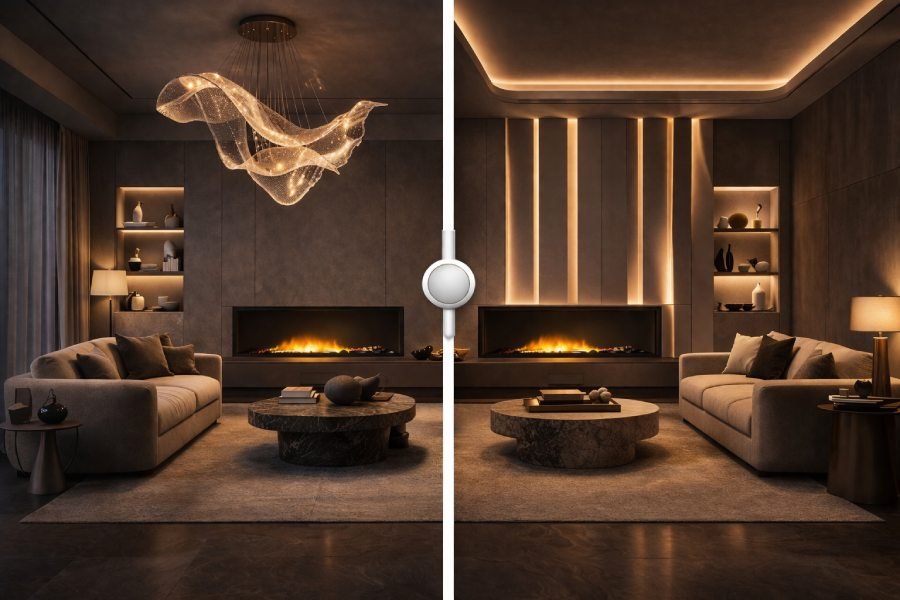
Imported lighting can lift a budget very quickly, especially when decorative fittings are repeated across multiple areas. In many cases, locally available or regionally sourced options can create the same atmosphere when the shape, finish, and light output are selected properly.
People respond to the effect of the lighting more than the origin of the fitting. Warmth, glare control, beam quality, and placement do more to shape a premium space than an expensive fixture chosen for its label alone.
The part that should never be downgraded is performance.
6. Swap Fully Custom Glass Partitions for Modular Systems with Targeted Upgrades
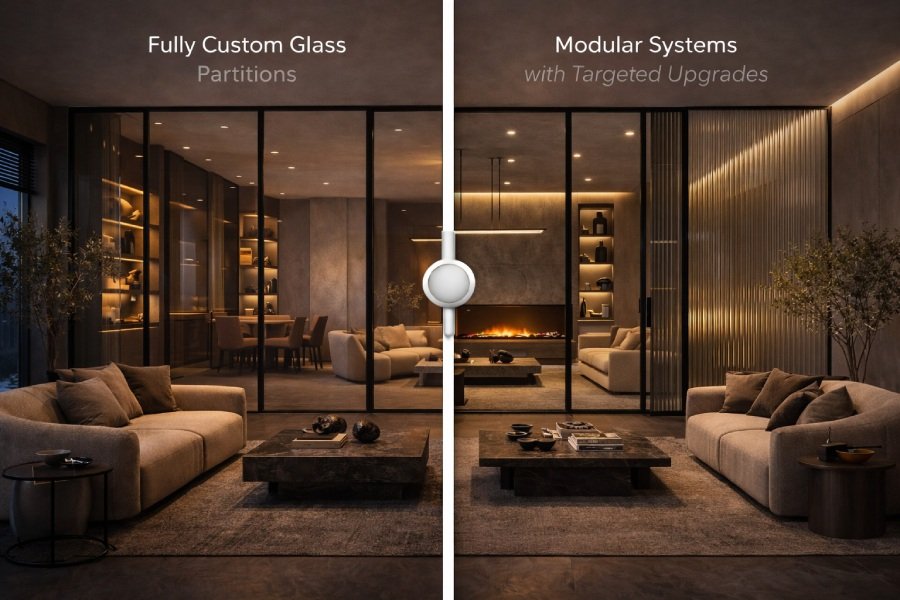
Not every office interior fit out needs a fully custom glass partition system. Modular systems can still deliver a sleek and professional result when the visible framing, doors, and alignment are handled properly.
Most people notice overall neatness, transparency, and how the partition fits the space. They do not focus on whether the system was custom-built from the ground up.
Budget is usually better directed toward acoustic treatment, privacy where needed, and better hardware in meeting rooms or private zones.
7. Swap Fully Bespoke Furniture Packages for a Smart Mix of Custom and Standard Pieces
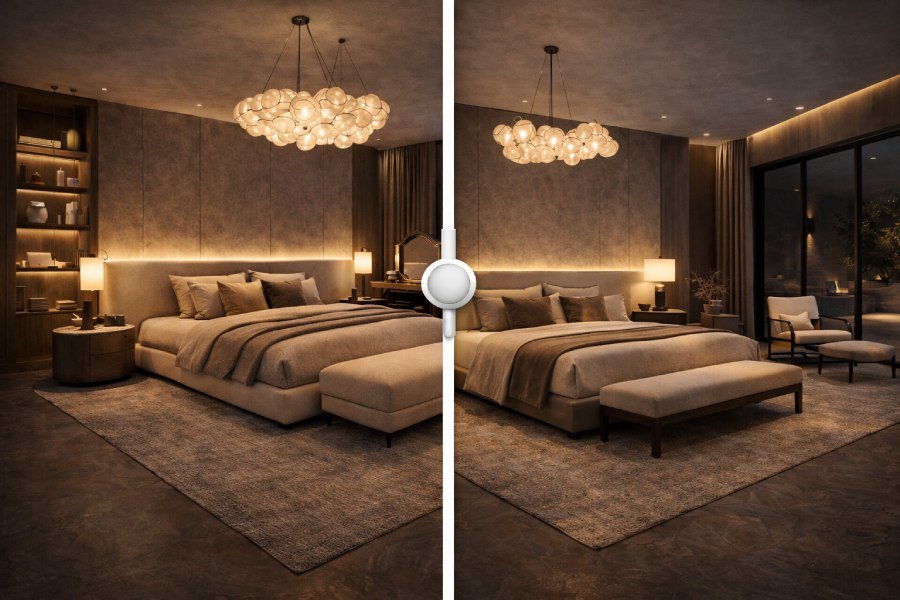
A premium space does not require every table, chair, and side unit to be custom made. In many commercial projects, the smarter choice is to invest in a few hero pieces and support them with standard furniture that fits the design language.
People remember the standout pieces first. That could be a reception desk, banquette, meeting table, or lounge feature. They are far less likely to measure quality by whether every item was made from scratch.
Comfort, durability, and visual cohesion matter more than customisation for its own sake.
8. Swap Feature Finishes in Every Room for One Strong Focal Finish
Using a feature finish everywhere often weakens its impact. A more effective move is to create one strong focal finish in the right place and support it with simpler materials around it.
This gives the eye a clear hierarchy. It also keeps the space more balanced and avoids spending on repetition that adds little new value.
A single strong material moment often does more for a commercial interior fit out than multiple competing finishes across every room.
9. Swap Premium Trim Materials in All Areas for Practical Alternatives in Low-Touch Zones
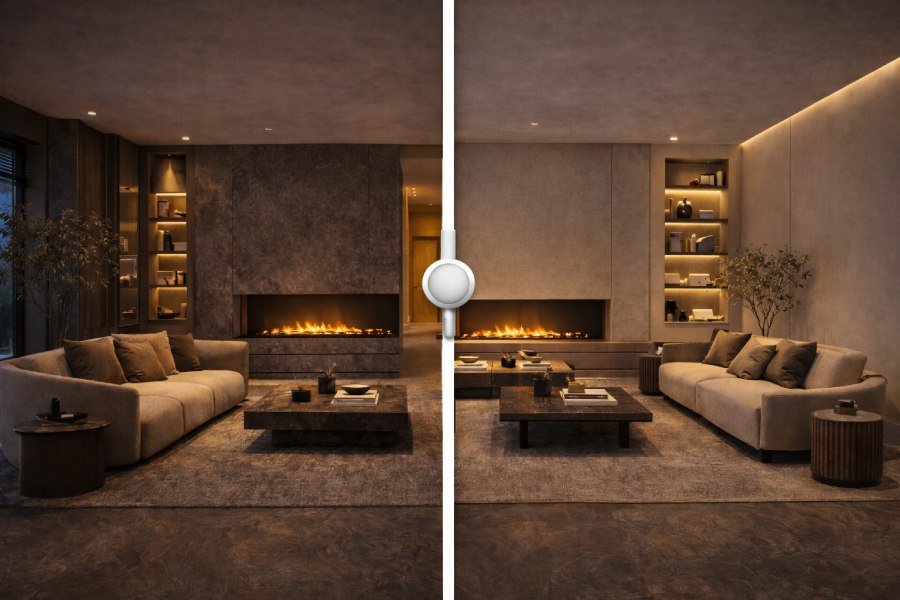
Using the most expensive trim or edge material throughout the project is rarely necessary. In many cases, premium trims should be reserved for visible corners, door edges, handles, and high-contact areas, while more practical alternatives can be used elsewhere.
What people notice most is whether the detailing is crisp and consistent. If the alignment is good and the finish is neat, the space still reads as high quality.
Durability should guide the touchpoints. Simplicity can guide the rest.
10. Swap Delicate Luxury Upholstery for Durable Commercial Fabrics with a Premium Look
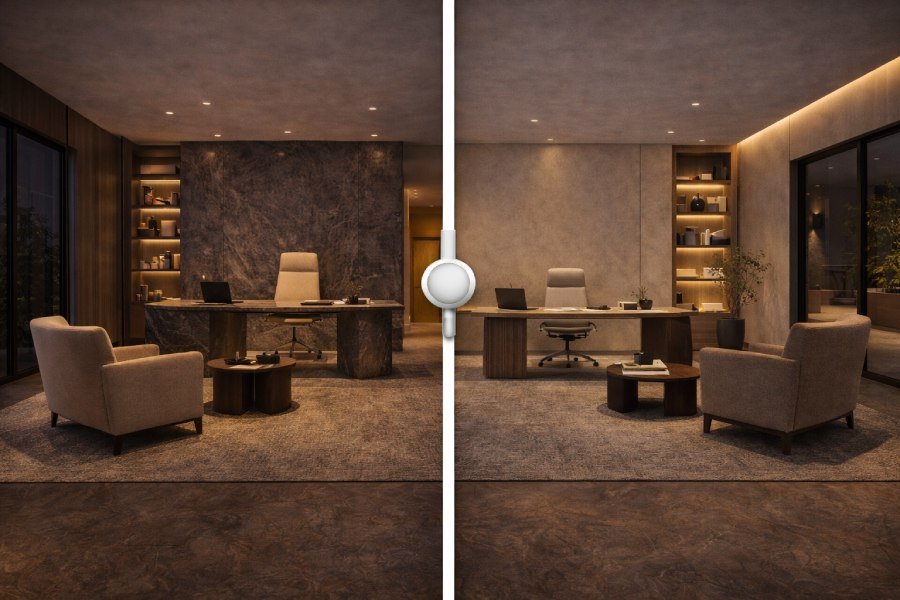
In commercial spaces, upholstery has to perform. That is why durable commercial-grade fabrics are often the better choice than delicate luxury materials that are harder to maintain and quicker to age.
This does not mean the seating has to look basic. Tone, texture, stitching, and comfort still shape how premium the furniture feels. But in day-to-day use, performance matters just as much as appearance.
The right fabric keeps the project looking sharper for longer.
What You Should Never Cut Back On in an Interior Fit Out Project
Value engineering should never affect the parts of the space that shape performance, daily use, and first impressions. Saving in the wrong areas may reduce cost at the start, but it can make the interior fit out feel weaker and wear out faster.
-
Lighting quality
Lighting affects how the entire space is seen and experienced. Poor lighting can make even premium finishes look average.
-
Hardware and daily touchpoints
Handles, hinges, and door hardware are used constantly. If they feel weak, the space feels less premium.
-
Acoustic performance where needed
In meeting rooms, private offices, and customer-facing spaces, poor sound control is noticed very quickly.
-
Durability in high-use areas
Reception counters, flooring, washrooms, and front-facing joinery need materials that can handle daily wear.
-
MEP coordination and installation quality
Even the best design can look poor if lighting, AC grilles, access panels, and finishes are not aligned properly.MEP coordination and installation quality
-
Key focal points
Entrance areas, reception desks, and main feature elements shape first impressions and should always be protected.
The smart approach is simple: save in the background, not in the areas people see, touch, and remember.
How Design Concepts Delivers Cost Savings Without Losing the Premium Feel
At Design Concepts, value engineering is built into the interior fit out process from the start. The focus is simple: protect the areas that create the strongest impression and review the rest more strategically.
That means directing budget toward focal zones, important finishes, lighting, and customer-facing elements, while using smarter materials and simplified detailing where they will not weaken the experience of the space.
The result is a commercial interior fit out that still feels refined, but uses the budget with more discipline.
Good Value Engineering Should Be Invisible
The strongest cost-saving decisions are the ones that do not weaken the space. When materials, detailing, and specifications are chosen with care, an interior fit out can stay visually strong without overspending in the wrong areas.
That is where real value engineering proves its value. It helps shape a space that still feels considered, functional, and aligned with the client’s brand, while removing extras that add cost without adding enough impact.
For commercial projects, that is the goal. Not a cheaper-looking outcome. A smarter one.